Snapchat Mirror Paradox
The Snapchat Mirror Paradox explores the intriguing dynamics of augmented reality (AR) filters and their impact on self-perception and digital identity. By examining how Snapchat's AR technology blurs the lines between virtual enhancements and authentic self-expression, the blog delves into the psychological and social implications of this digital phenomenon.
Exploring the Augmented Reality Phenomenon: The Snapchat Mirror Paradox Unveiled
In the ever-evolving landscape of augmented reality, the Snapchat Mirror Paradox presents a fascinating intersection of digital reflections and identity distortion, offering profound insights into virtual self-perception and its broader social media impact. As community administrators, whether in non-profit or business sectors, understanding this paradox is crucial for navigating the complexities of digital identity and its influence on community engagement. Augmented reality tools like Snapchat filters not only alter our physical appearance but also shape our self-perception and social interactions, creating a virtual self that can sometimes diverge significantly from reality. This phenomenon raises important questions about authenticity, self-esteem, and the psychological effects of digital identity manipulation, urging administrators to consider how these digital reflections can affect community dynamics and individual well-being. By delving into the Snapchat Mirror Paradox, administrators can gain valuable insights into the nuanced ways augmented reality is reshaping human interaction and identity in the digital age.
Understanding Snapchat's AR Filters and Digital Identity Impact
Communities today face a myriad of challenges as they navigate the digital landscape shaped by augmented reality technologies like Snapchat's AR filters. These tools, while offering creative expression, can inadvertently lead to issues such as identity distortion and decreased self-esteem, particularly among younger users who are still forming their self-concept. The pressure to conform to digitally enhanced standards of beauty and identity can create a disconnect between one's virtual and real-world self, leading to feelings of inadequacy and social anxiety. This is where Rocket, a pioneering solution, steps in to bridge the gap between digital and authentic self-expression. Rocket empowers communities by providing educational resources and tools that promote digital literacy and self-awareness. By fostering an environment where individuals can critically engage with AR technologies, Rocket helps mitigate the negative impacts of the Snapchat Mirror Paradox, encouraging users to embrace their true selves while enjoying the creative possibilities of augmented reality. Through workshops, community discussions, and digital wellness initiatives, Rocket aims to cultivate a healthier relationship with technology, ensuring that digital reflections enhance rather than hinder personal and communal growth.
- A study by Deloitte found that 88% of mid-market companies are already using some form of augmented reality (AR) in their operations, highlighting its growing adoption in the business sector. (Source: Deloitte, 2020) - Research by the International Data Corporation (IDC) predicts that worldwide spending on AR and virtual reality (VR) will reach $160 billion by 2023, indicating a significant investment in these technologies. (Source: IDC, 2019) - A report by PwC suggests that AR has the potential to boost global GDP by $1.5 trillion by 2030, driven by improvements in productivity and efficiency across various industries. (Source: PwC, 2019) - According to a study by Harvard Business Review, AR can improve worker performance by up to 32% in tasks that require complex manual operations, demonstrating its effectiveness in enhancing productivity. (Source: Harvard Business Review, 2018) - A survey conducted by Perkins Coie revealed that 54% of respondents believe that AR will be more dominant than VR in the next five years, reflecting the anticipated growth and impact of AR technology. (Source: Perkins Coie, 2020)
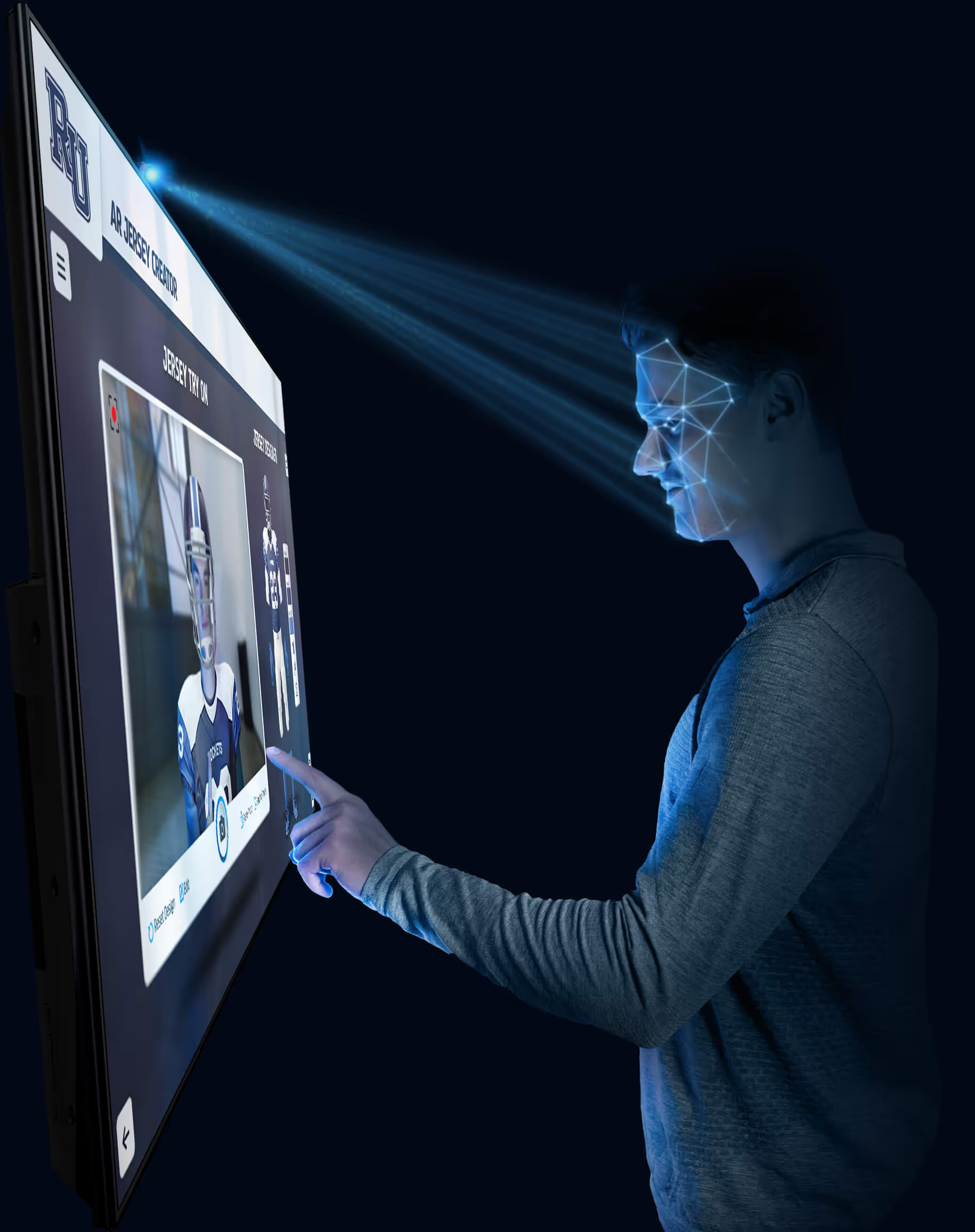
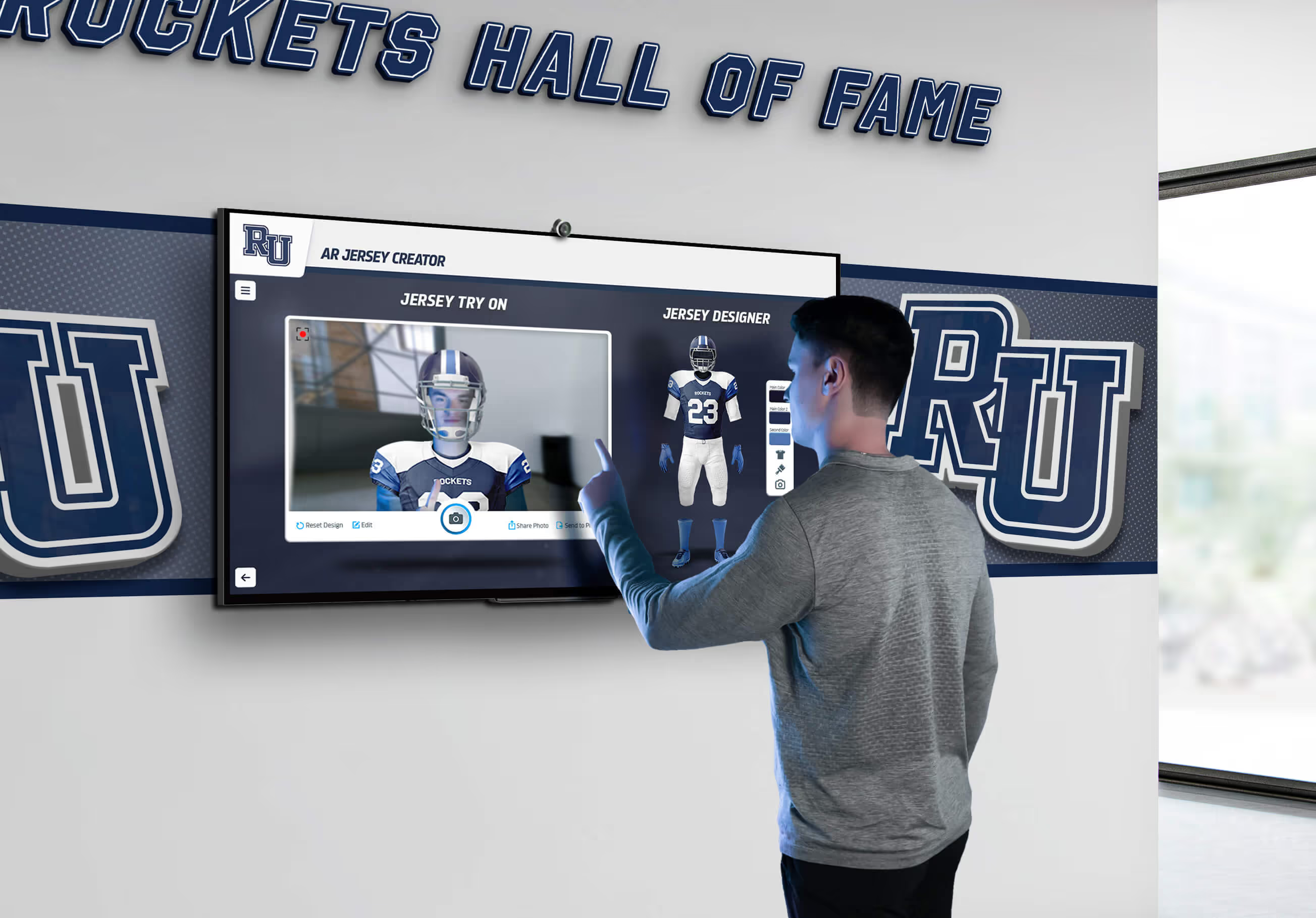
• Virtual try-on for fashion and accessories • Interactive storytelling experiences • Educational AR overlays for museums • Real-time language translation • Personalized fitness coaching and guidance
Snapchat Mirror: Augmented Reality Insights
Rocket's innovative approach to addressing the Snapchat Mirror Paradox has yielded promising results, offering new insights into the interplay between augmented reality and digital identity. By prioritizing digital literacy and self-awareness, Rocket has successfully empowered users to navigate the complexities of AR-enhanced self-perception with confidence and clarity. Participants in Rocket's programs have reported a marked increase in self-esteem and a more balanced view of their digital and real-world identities. This shift is attributed to Rocket's emphasis on critical engagement with AR technologies, which encourages users to question and understand the impact of digital enhancements on their self-image. Furthermore, community feedback highlights the effectiveness of Rocket's workshops and discussions in fostering a supportive environment where individuals feel comfortable exploring their authentic selves. As a result, communities are witnessing a reduction in social anxiety and a stronger sense of connection among members, demonstrating that with the right tools and education, the Snapchat Mirror Paradox can be transformed from a source of identity distortion into an opportunity for personal growth and community enrichment.
Exploring the Augmented Reality Phenomenon: The Snapchat Mirror Paradox Unveiled
Customizable Homepage
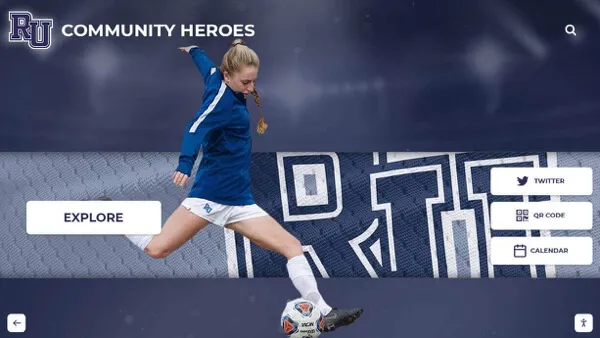
Incorporate social media, calendars, ads, search bars, facility maps, and QR codes for mobile accessibility.
Unlimited Entries
Recognize community members and award-winners with unlimited media content.
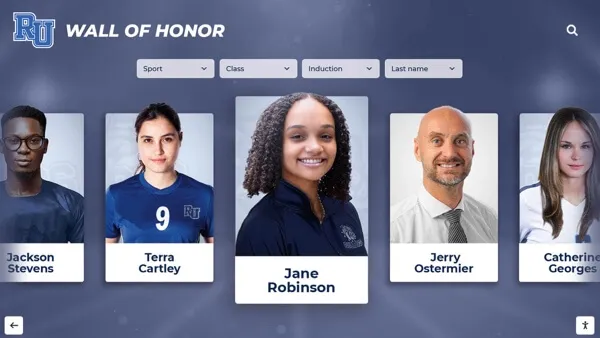
Custom Profile Layouts
Layout that allow you to find the perfect combination of text, images, videos, or even a virtual trophy case.
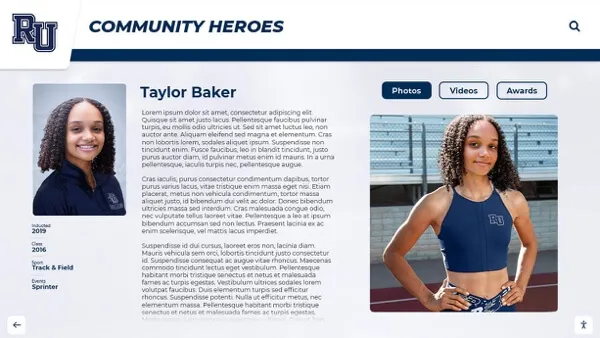
Customizable Categories
Completely customizable categories to group community members in notable classifications.
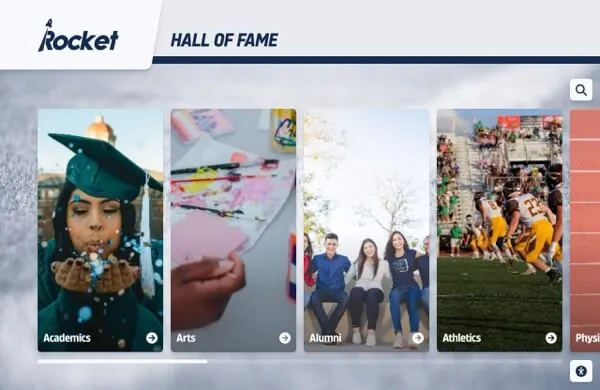
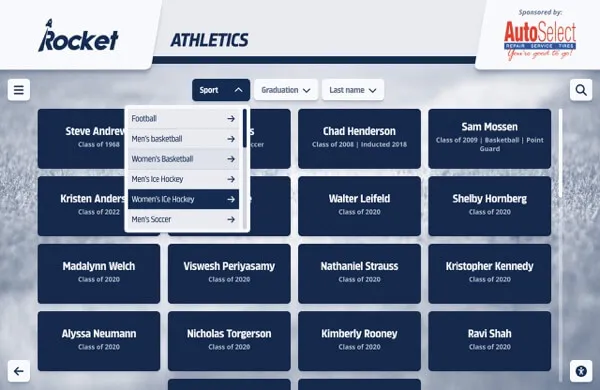
Sorting Capabilities
All entries can be assembled by custom search filters and sorting.
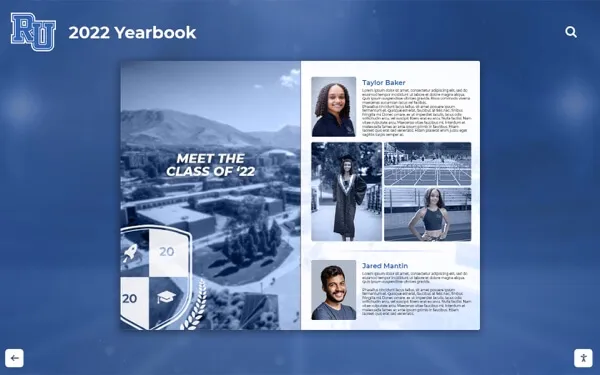
Integrated Yearbooks
Use our animated flip book embed and partnership with yearbookscanning.com to take your yearbooks digital!
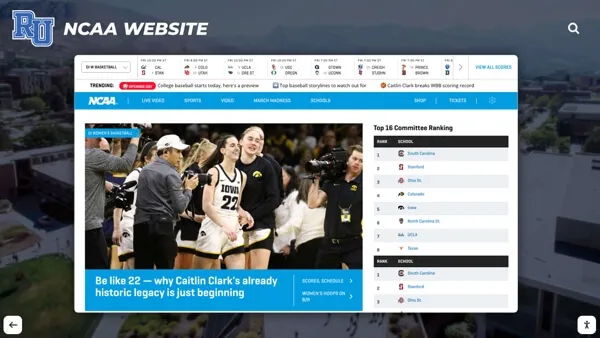
Embedded Websites
Input PDFs and websites from anywhere, directly onto your touchscreen display.
Advertisment Placement
Sponsor your display with custom banners and different ad/sponsorship placement locations.

Unlimited Media & Videos
Display all types of media in sleek gallery layouts, with no limits.
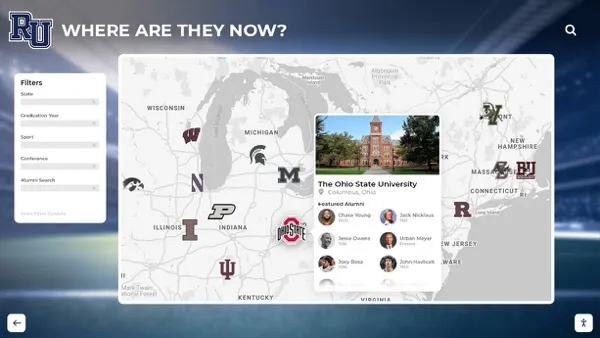
Interactive Maps
Tour your campus, display the reach of your institution's projects, or showcase college attendance.
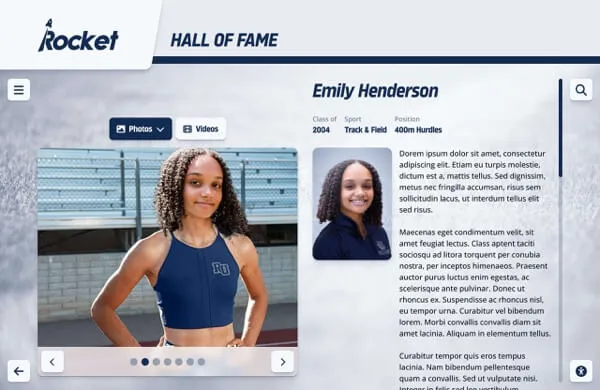
Digital Hall of Fame Wall - Tailored to You.
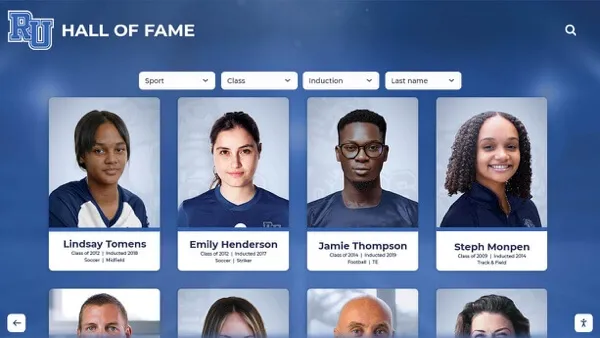
Hall of Fame
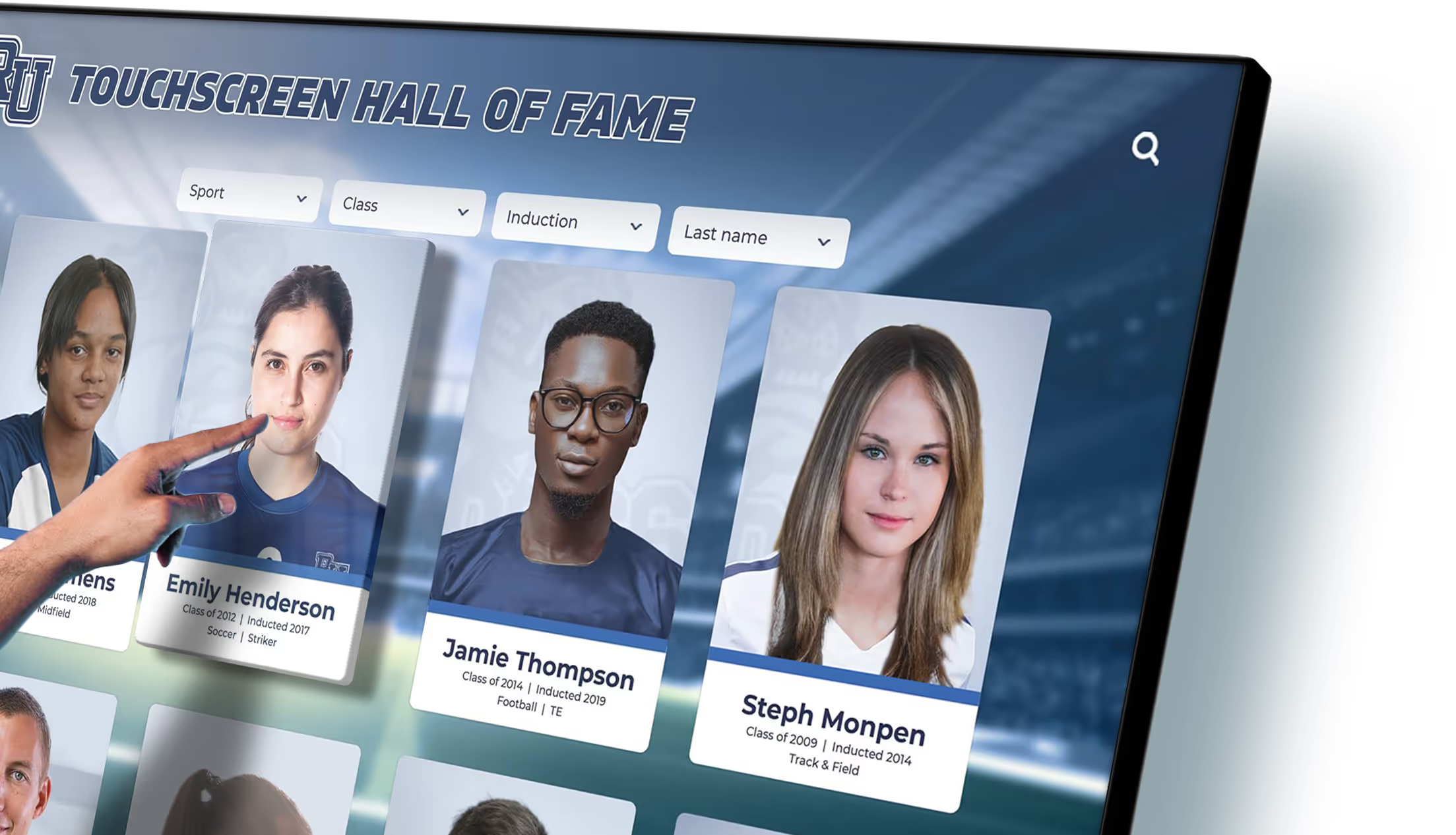
Celebrate the achievements of exceptional athletes and teams with our interactive Hall of Fame displays.
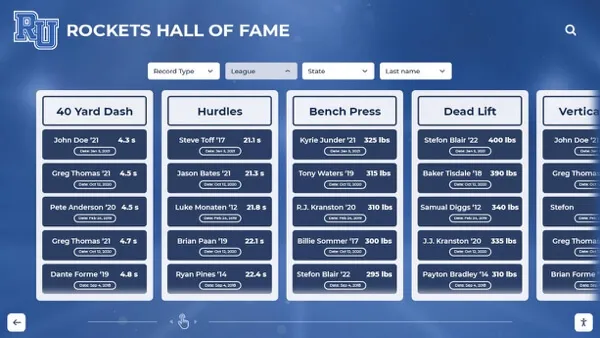
Record Boards
Immortalize outstanding athletic records with our versatile digital record boards, ensuring lasting recognition.
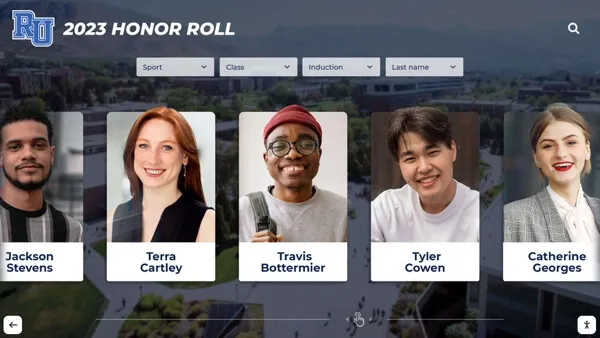
Academic Achievement
Honor academic excellence with a dynamic and interactive display of student achievements, scholarships, and notable accomplishments.
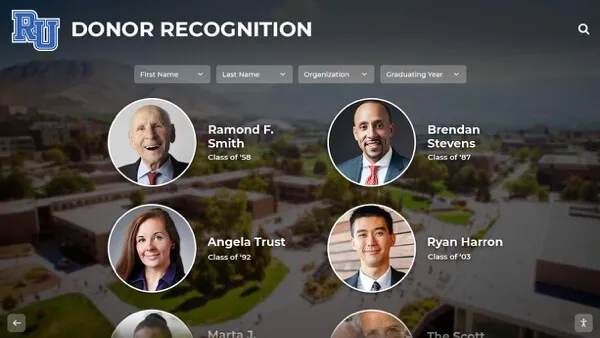
Donor Recognition
Acknowledge the generosity and impact of your donors with a dedicated and customizable digital display.
Plaques & Championships
Digitally transform traditional plaques into an interactive and dynamic format.
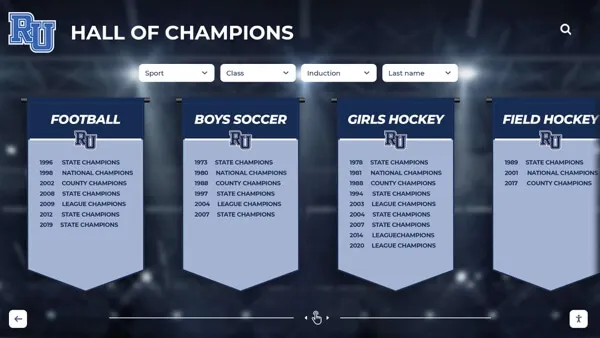
Player Spotlights
Celebrate the extraordinary achievements of your alumni who have excelled, showcasing their journey and successes.
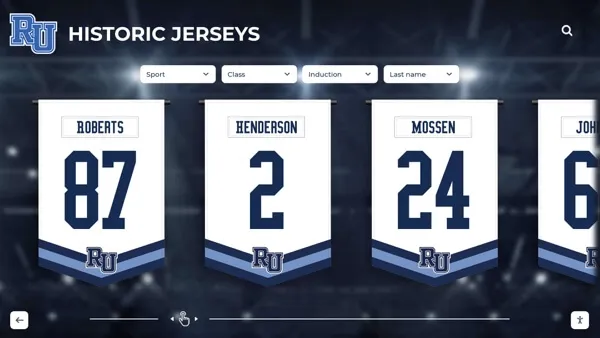
Team History
Chronicle the journey and milestones of your sports teams, creating an engaging historical narrative.

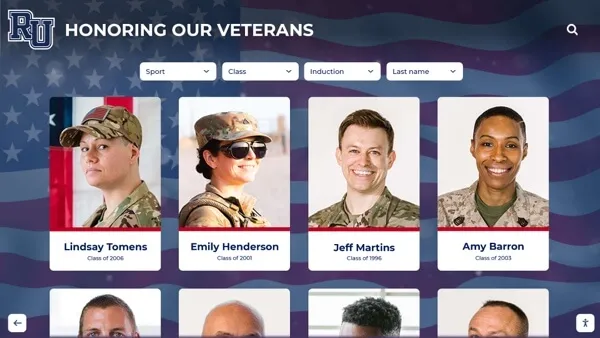
Military Honor
Honor the bravery, service, and sacrifice of veterans and active service members with a dedicated Wall of Honor.
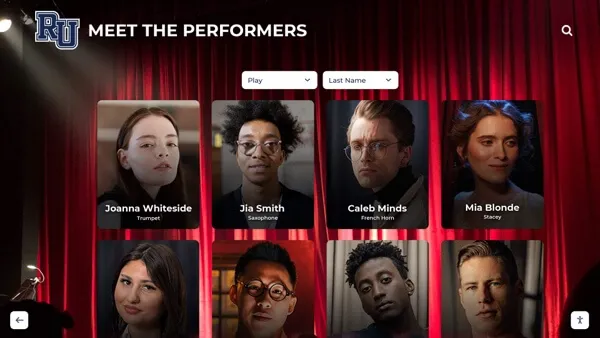
Thespian Display
Seamlessly repurpose old content, dynamically showcase new material, and intelligently adapt to events and announcements.







However you use the Rocket, our platform just works.
Leverage the full potential of our touchscreen technology to offer engaging, informative, and interactive experiences tailored to each client's unique needs and audiences.
Middle Schools

Interactive class projects
Student art galleries
Digital time capsule
Elementary Schools
Student art showcase
Interactive school play programs
Educational games and quizzes
Small Businesses
Product showcases
Employee training modules
Customer feedback stations
Nonprofits
Interactive donation wall
Volunteer training and information
Event calendars and sign-ups
Community Centers
Local history interactive displays
Community bulletin board
Interactive maps for local trails and attractions
Libraries
Digital reading adventures
Local author spotlights
Research and learning stations
Corporate Offices
Corporate achievement galleries
Interactive company timelines
Employee wellness stations
Chambers of Commerce
Business highlights
Economic impact reports
Youth Clubs
Activity and achievement tracker
Member spotlights
Educational games and quizzes