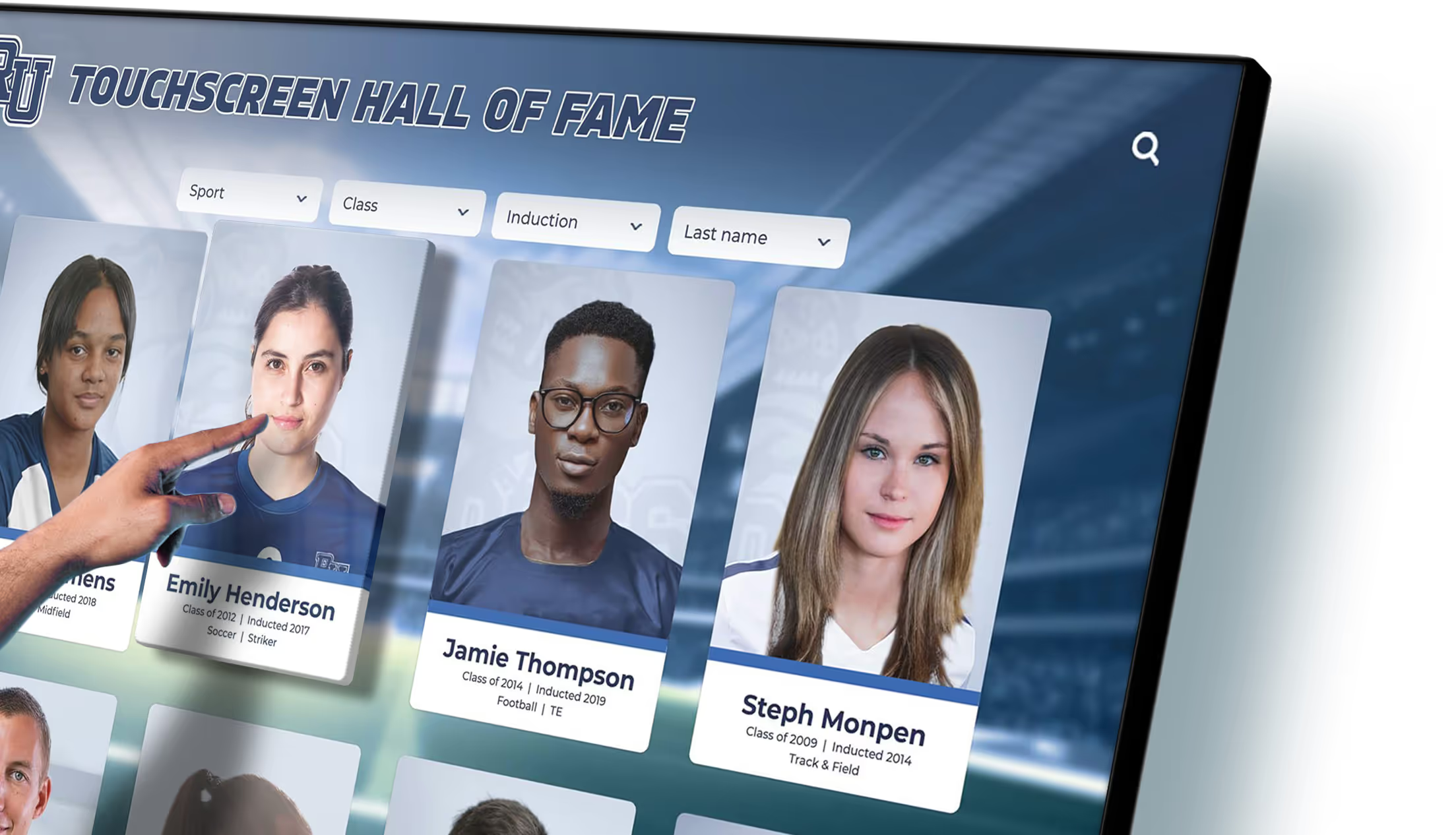
Plan your launch timeline backward from the big day
Induction nights, homecoming and building openings don’t move, so the content plan has to fit around them. Start with the date, work backward through review, entry and collection, and decide early what a realistic first release looks like.





Trusted by 1,500+ schools and organizations4.9/5 customer satisfaction
Schools and colleges that run on Rocket





Why it matters
The event date is set, but the content plan isn’t
Schools often pick a date first and discover the material later. When gathering and review aren’t planned, the last weeks get squeezed and something important misses launch.
Ideas for Launch Timeline Planning
A fixed anchor date
Start with the event you’re launching for and treat it as the one date that can’t move.
A review window
Reserve time before the event for your team to check entries and send corrections.
A collection deadline
Set the date by which every source file for the first release is in hand.
A smaller first release
If time is short, launch the newest class or one sport and add earlier material after the event.
Calendar conflicts
Mark breaks, testing weeks and busy seasons when reviewers won’t have time to respond.
A post-launch phase
Plan when the next collection follows, so material that missed launch still has a date.
How it works with Data Entry & Project Management
Launch Timeline Planning, step by step.
Three steps
Share your target date early
Tell Rocket your event and date at the start. Timing depends on scope, source quality and your review process, so early notice helps.
Scope the first collection to fit
Rocket scopes a first collection around your event, and your proposal lists the entry and preparation work for your material.
Hold the review window
Rocket brings missing details back as entries are prepared, and your team checks them in the time you reserved.
Setups vary by school; your demo confirms what yours will use.
Best practices
Tips to get it right.
Launch Timeline Planning tips
Treat review as its own phase
Review is often what squeezes a timeline. Give it dedicated weeks, not whatever time is left.
Decide your fallback early
Agree now on what launches if material runs late, such as the current class only.
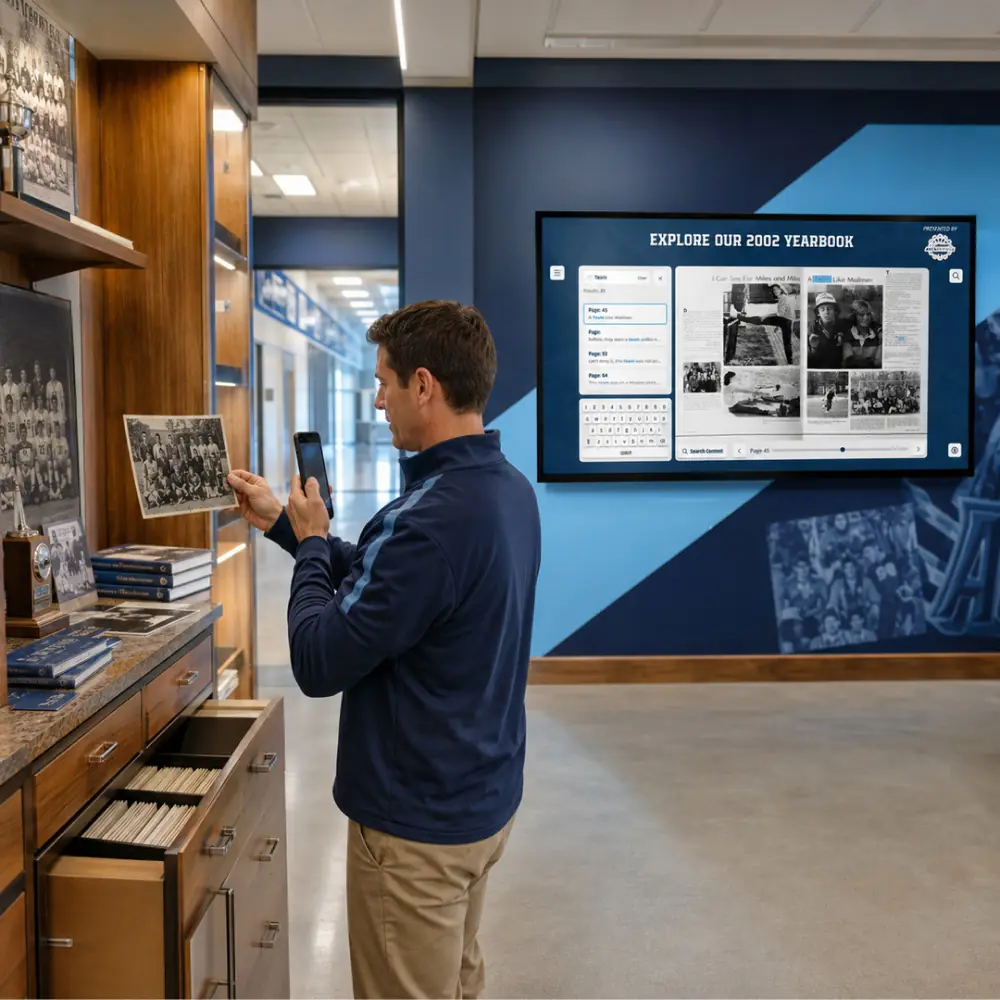
Allow for paper and bound books
Plaques, loose paper and bound yearbooks may need a different route, so raise them at the start.
Check dates with every reviewer
Confirm each reviewer is available during the review window before you lock the plan.
Keep exploring
More Data Entry & Project Management use cases
Questions
Launch Timeline Planning questions
It depends on how much material you have, its condition and how quickly your team can review. Share your target date as early as you can so the first collection can be scoped around it.
Rocket scopes a practical first collection around your date and agrees with you what Rocket prepares and what your team checks. Timing is set with you based on scope, source quality and how review runs.
Launch with a smaller first collection and add the rest afterward. Your staff can keep adding content in the editor once the showcase is live.
Data entry help is complimentary, and the entry and preparation work for your material is listed in your proposal before anything starts. Products and hardware you choose are quoted for your school’s setup.
Your next step
Talk through your content project.
We'll scope a first collection and agree who does what before any work starts.